

CARTAGENA THINKS: XII EDUCATION DAYS FOR THE 21ST CENTURY. CARMEN GUILLÉN LORENTE `ARCHITECTURE OF MORAL REPRESSION: THE BOARD OF GUARDIANS FOR THE PROTECTION OF WOMEN´
CARTAGENA THINKS: XII EDUCATION DAYS FOR THE 21ST CENTURY. CARMEN GUILLÉN LORENTE `ARCHITECTURE OF MORAL REPRESSION: THE BOARD OF GUARDIANS FOR THE PROTECTION OF WOMEN´
Violence, exile, purges of civil servants, and imprisonment. These were the main manifestations of Francoist repression. They are the best known and most studied to date. However, there were other, less visible but equally coercive forms of repression that primarily affected the female population: sexual repression. Through this, the regime attempted to impose a strict and conservative moral model. Although it was difficult to monitor aspects directly linked to the population's privacy, Francoism was able to develop appropriate strategies through different systems of control. The most important of these was undoubtedly the Patronato de Protección a la Mujer (Board for the Protection of Women).
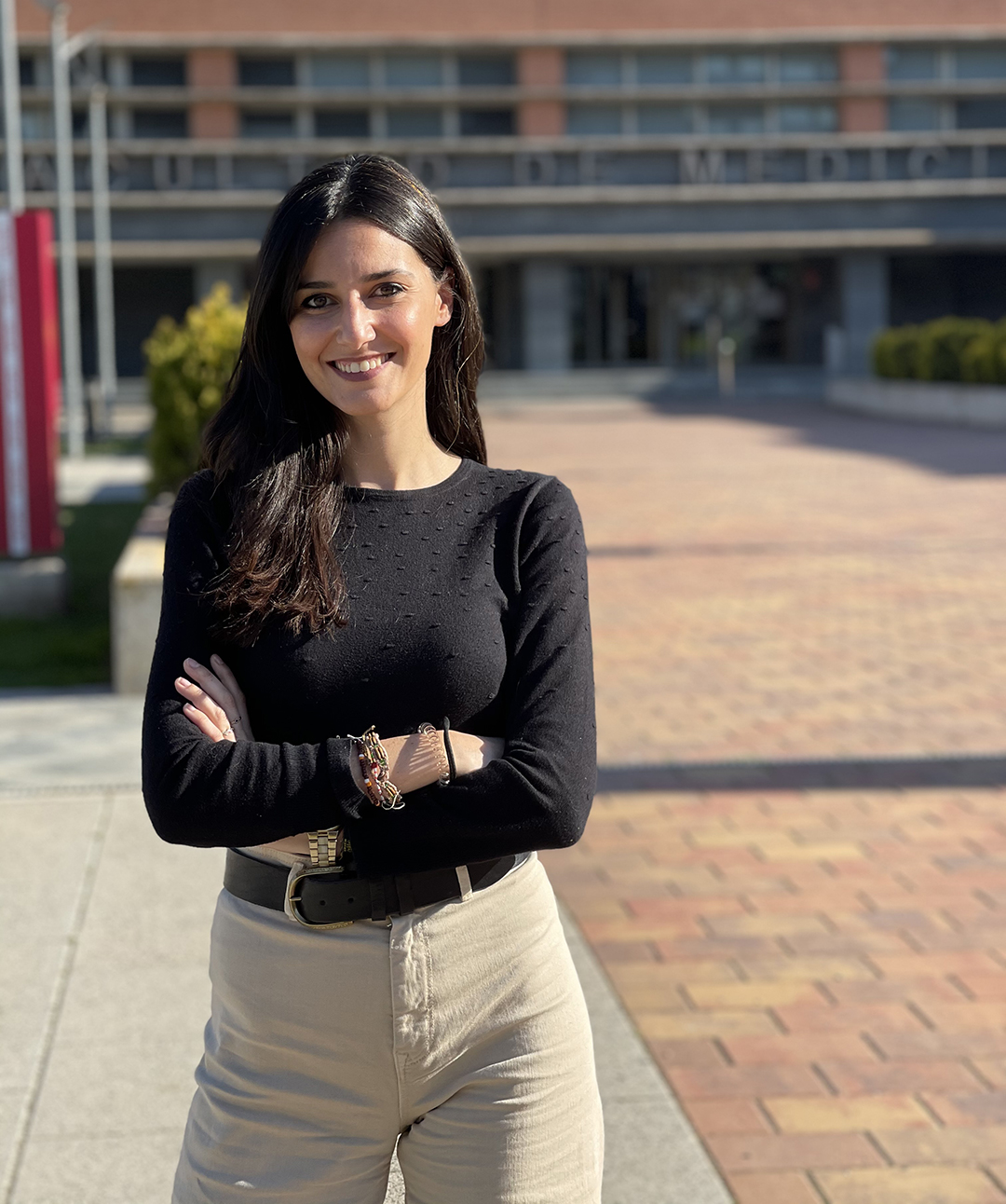
Carmen Guillén holds a PhD in Contemporary History and is a professor in the History of Science department at the Faculty of Medicine in Albacete (UCLM). Her research focuses on the history of medicine and the history of sexuality in contemporary Spain, with particular attention to the repression of women and the institutional mechanisms for controlling women's bodies. She is the author of the book *Redeem and Indoctrinate: The Patronage for the Protection of Women under Franco*, a key reference work on this institution. In the field of public outreach, she regularly contributes to programs on Spanish National Radio and Television (RTVE) such as *The Adventure of Knowledge*.
Presented by: Pepa Martínez.
Organized by: AFEREM.
In collaboration with: Cartagena Piensa.
DATE: April 23, 2026
TIME: 7:00 PM
VENUE: Auditorium of ETSIA. UPCT