


Carnival
The Cartagena Carnival, a deeply rooted popular tradition until its prohibition after the Civil War, was revived in 1981 with the return of democracy. Now declared a Festival of Regional Tourist Interest, it is one of the city's most important celebrations, featuring parades, costume contests, and satirical musical groups that attract more participants and visitors each year. + INFO

Holy Week
Holy Week in Cartagena, declared a Festival of International Tourist Interest in 2005, is one of the city's most emblematic celebrations. It is renowned for the beauty and order of its processions, the richness of its religious floats and images, as well as for unique traditions such as the Washing of Pilate's Feet and the Encounter. For ten days, five brotherhoods keep this important cultural and religious event alive. + INFO

Romans and Carthaginians
Declared of International Tourist Interest in 2017, these reenactments recreate the Second Punic War and the events that shaped Cartagena's history. For ten days in September, the city relives its past through parades, historical reenactments, and activities organized by more than 50 groups, transforming into a grand stage that attracts numerous visitors. + INFOOther Festivals and Traditions of Cartagena
Cañar Pilgrimage
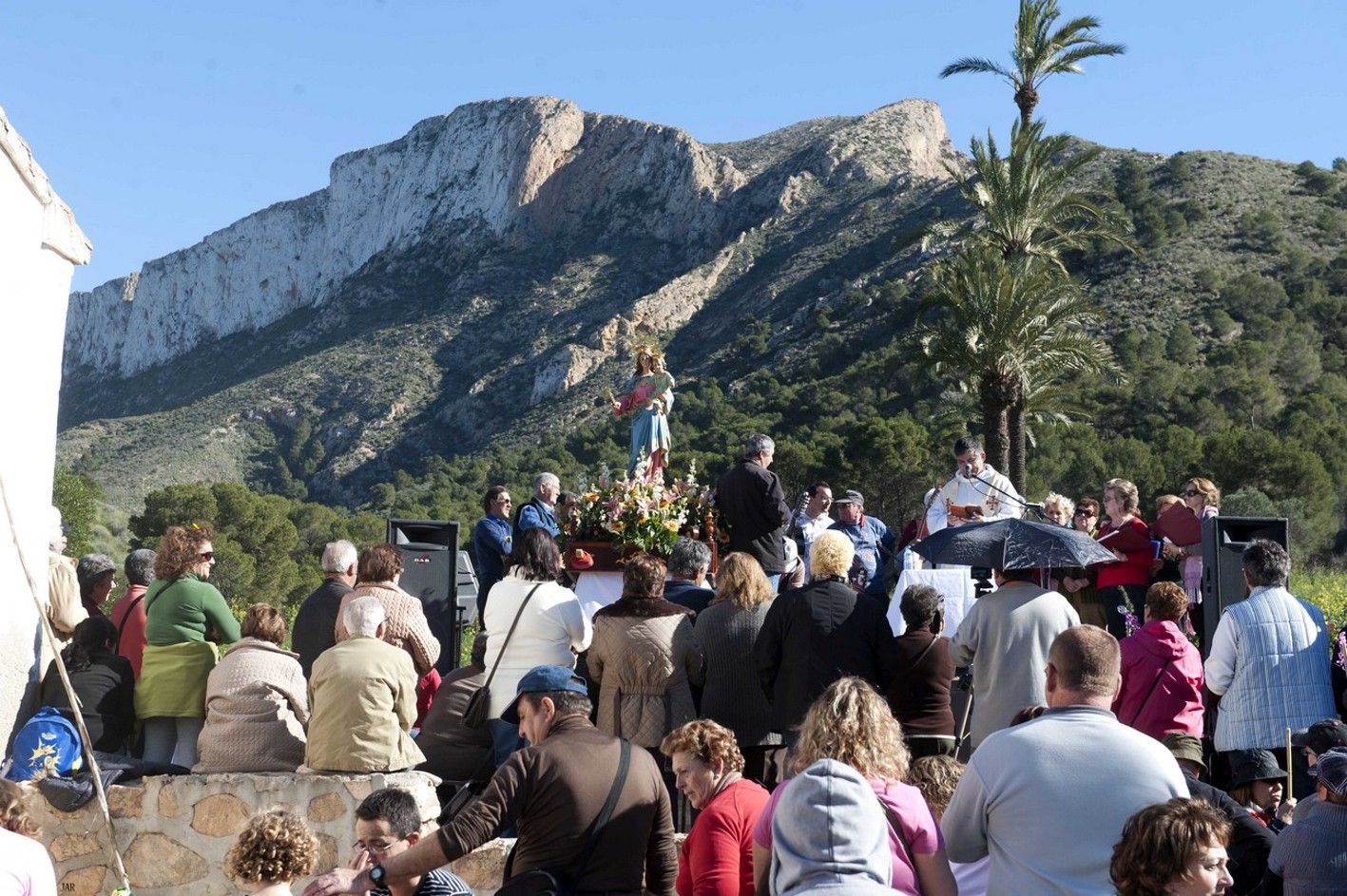
In the area known as El Parrillar , on the Cañar riverbed, there is a very lush spot with a spring. Here stands what is now called the old hermitage, dating back to the second half of the 17th century. A legend surrounds it: a shepherd who used to bring his livestock to this spot to water, and the Virgin Mary appeared to him in a brilliant light, asking him to build a hermitage there for her worship. Thus was born the devotion to Our Lady of Light and the pilgrimage that is celebrated annually.
It takes place on the first Sunday of January on the Cañar riverbed, near Mount Peñas Blancas in Isla Plana, in honor of Our Lady of Light. Thousands of pilgrims participate, along with Christmas carol groups from the Campo de Cartagena region, who enliven the popular event with their songs.
Blessing of the Animals
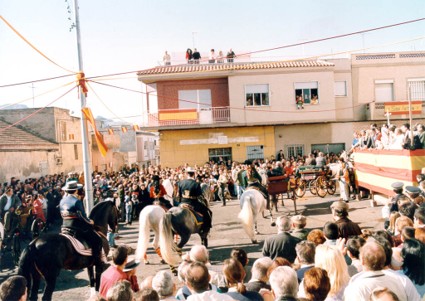
Patron Saint Festivities in honor of Saint Anthony Abbot.The San Antón Festival is celebrated in the Cartagena neighborhood of San Antón from January 6th to 17th . It is famous for its combination of religious fervor, vibrant atmosphere, and rich traditions.
Throughout Cartagena, the San Antón Festival is known for its delicious food, lively street celebrations, and the "baptism of the donkeys."
The famous San Antón rolls can be found at any stall along the main streets, and grilled octopus is served in many of the neighborhood's bars.
Galilean Ball Festival of Pozo Estrecho
During the month of January , the district of Pozo Estrecho celebrates its patron saint festivities in honor of Saint Fulgentius .
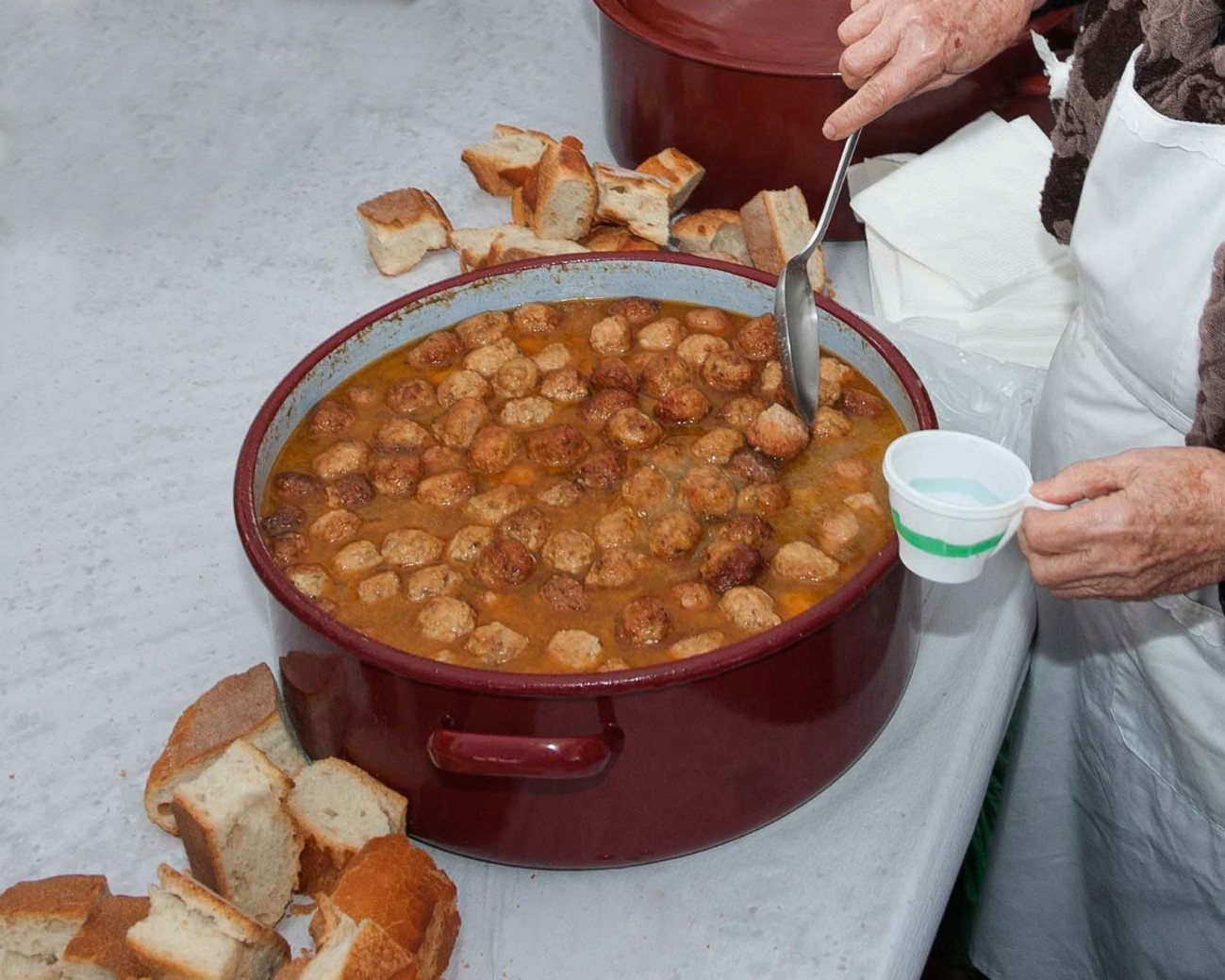
Among the events that take place during this celebration, the tasting of the famous and typical "Galileo meatballs" stands out . This tradition originated from offering a meatball stew to the political and religious authorities at the local Casino, and then opening the event to all the townspeople and visitors who came every January 16th, the feast day of the patron saint.Thus, it was in 1969 that the popular tasting organized by the Neighborhood Association was carried out for the first time, becoming a symbol of local identity with which visitors are treated.
Pilgrimage to Calvary
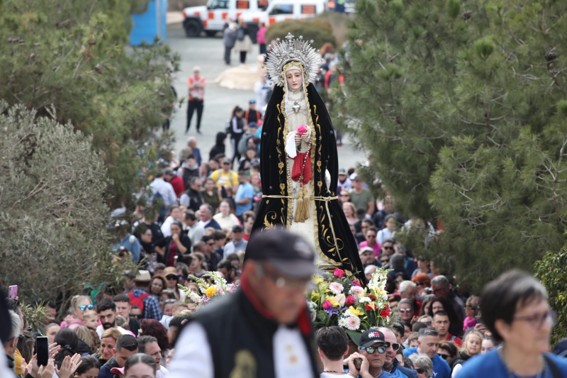
It is the oldest of those that take place in Cartagena, and it is celebrated on the Sunday before the Feast of the Incarnation (March 25).The Virgin of Solitude is carried up from the Church of Santiago Apóstol in the Santa Lucía neighborhood – where she was taken the previous week – to her sanctuary at the top of Mount Calvary .During the pilgrimage, the participants perform a Stations of the Cross procession, and upon arrival at the hermitage, a mass takes place, ending the festivities with a meal.
Floral Games of La Palma
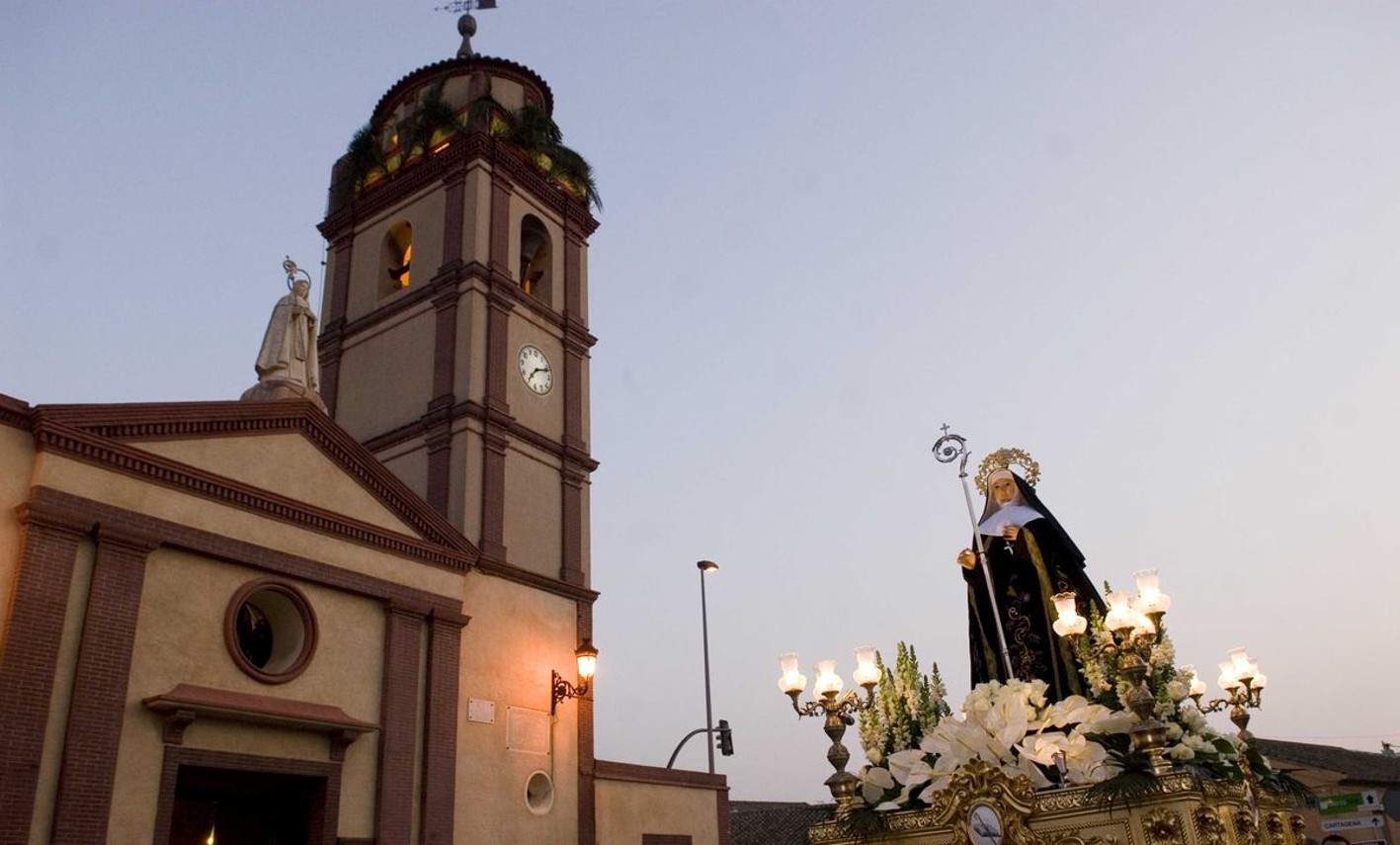
The Floral Games of Campo de Cartagena in La Palma are traditionally celebrated in the first quarter of the year , coinciding with the patron saint festivities of Santa Florentina in this district of Cartagena (February-March).These games were created in March 1957 under the name "Floral Games of La Palma".Under the three mottos FAITH, LOVE and COUNTRY, these are the oldest Floral Games in Cartagena and possibly in the province of Murcia that remain in force today.
Floral Offering to the Virgin of Charity
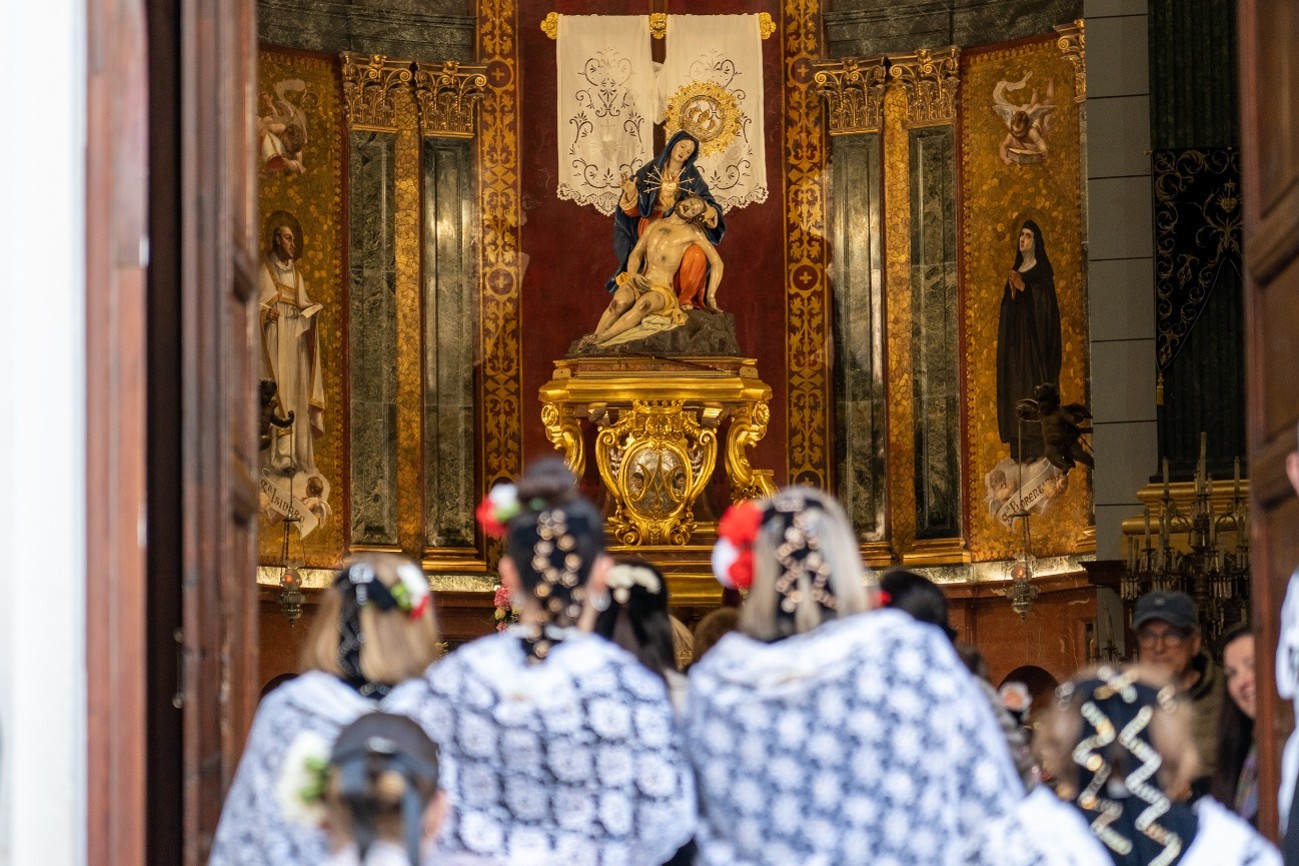
On Good Friday , as a prelude to Holy Week, Cartagena celebrates the day of its patron saint, Our Lady of Charity. It's a day when the city dons its finest attire, tradition, and folklore.
Thousands of carnations adorn the Virgin's feet, as well as the city center streets, where locals gather to admire the traditional costumes and the devotion of those participating in the processions.
Other towns also parade on this day in their traditional dress, such as the sailors of Santa Lucía, or those from Torre Pacheco and La Palma, who wear the traditional clothing of the Cartagena countryside.
May Crosses
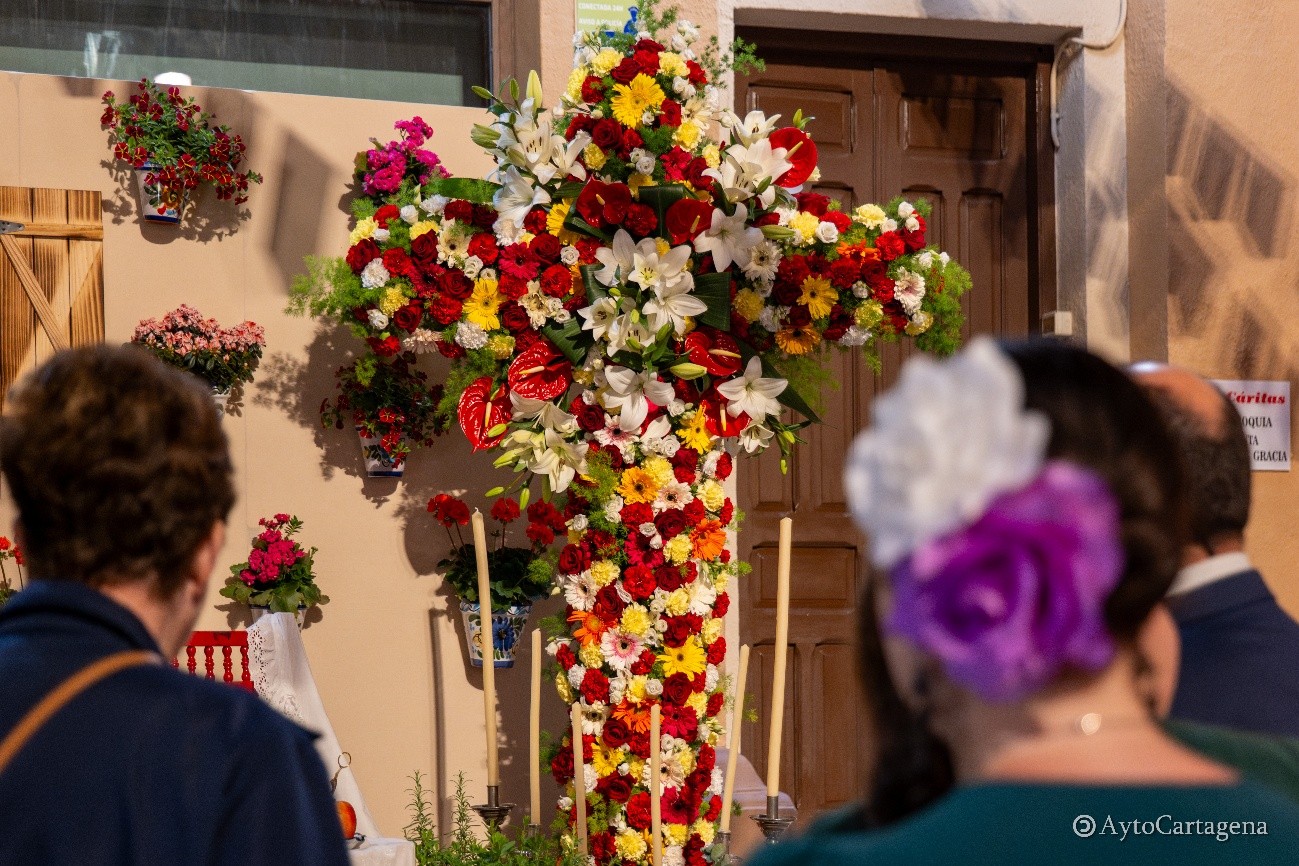
Organized by the City Council , with the collaboration of the Board of Brotherhoods, hoteliers and other associations of the municipality , the May Crosses festival is celebrated around May 3, commemorating the discovery of the Cross of Christ by Saint Helena.Streets and neighborhoods fill with music, traditional dances, and crosses decorated with flowers, competing to be the most beautiful and eye-catching.
San Isidro in Los Belones
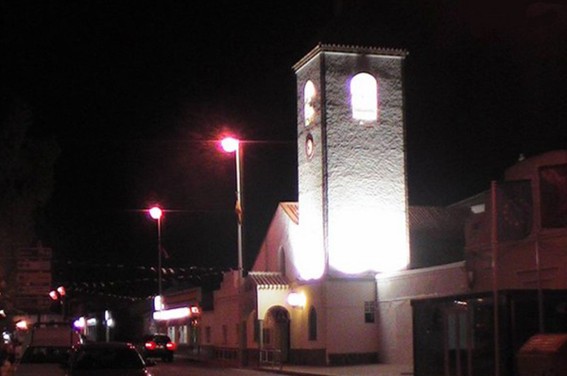
The Patron Saint Festivities of Los Belones are filled with significant events, brimming with emotion and memories. They span almost a month and a half, with activities intensifying during the week leading up to May 15th, the Feast Day of Saint Isidore the Farmer.
The election of the Queens and their courts takes place in April. May begins with the Pilgrimage of the Saint to Cabezo de la Fuente. Highlights include the Bobbin Lace Exhibition, the open-air dances, and the vermouth dance. Among the religious celebrations are the Offering of Flowers to the Patron Saint, the Solemn Masses, and the Procession of Saint Isidore through the streets of the village.
Potato Festival
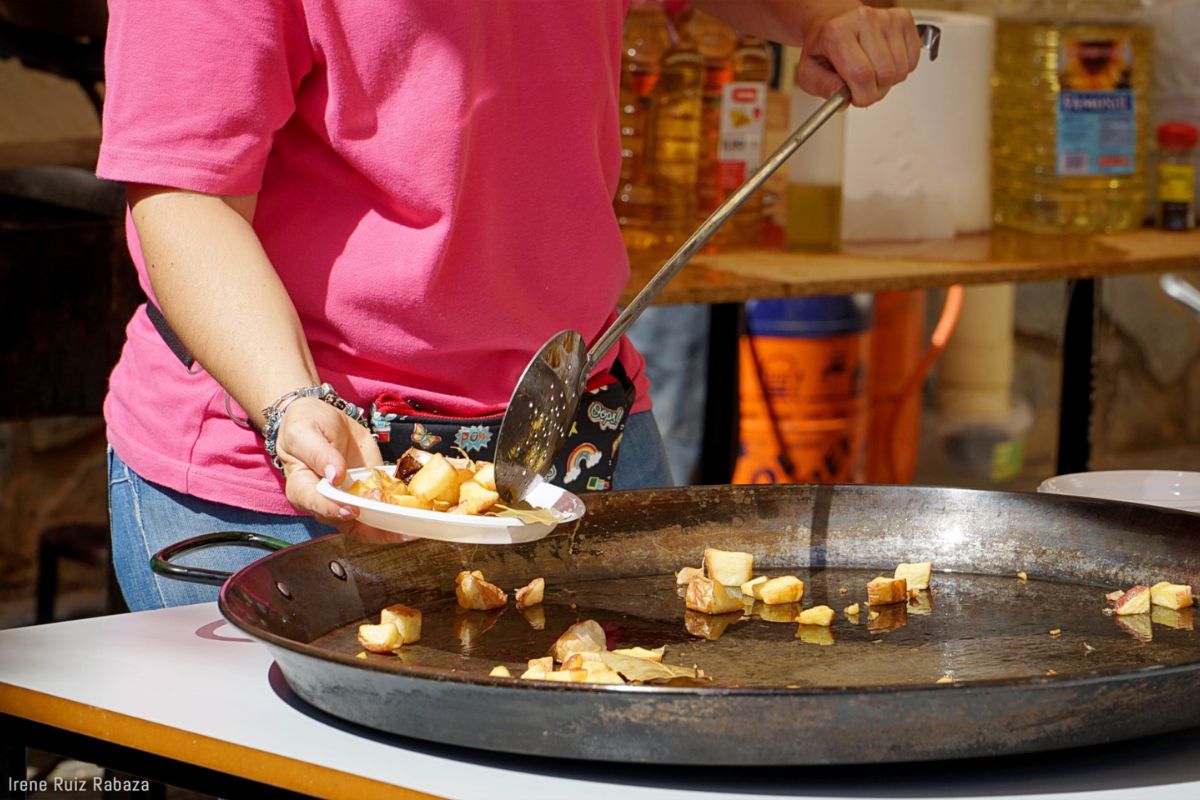
The Cartagena district of La Puebla organizes a multitude of festival activities to celebrate the authentic potatoes of the Campo de Cartagena region, with the support of the Town Hall.
It usually takes place in early June, featuring a traditional folk music evening, talks, potato-throwing competitions, direct sales by farmers, a market, an exhibition of different varieties, a tapas route through various bars in the region, a cooking competition, and tastings of roasted and boiled potatoes, as well as a giant tortilla, highlighting the quality of the different varieties from the Campo de Cartagena.
The traditional folk music evening is a tribute to the Cartagena potato and includes in the program the coronation gala of the Queen and Lady of the La Puebla festivities, which are held in June in honor of the Sacred Heart of Jesus.
Maritime Processions of Carmen
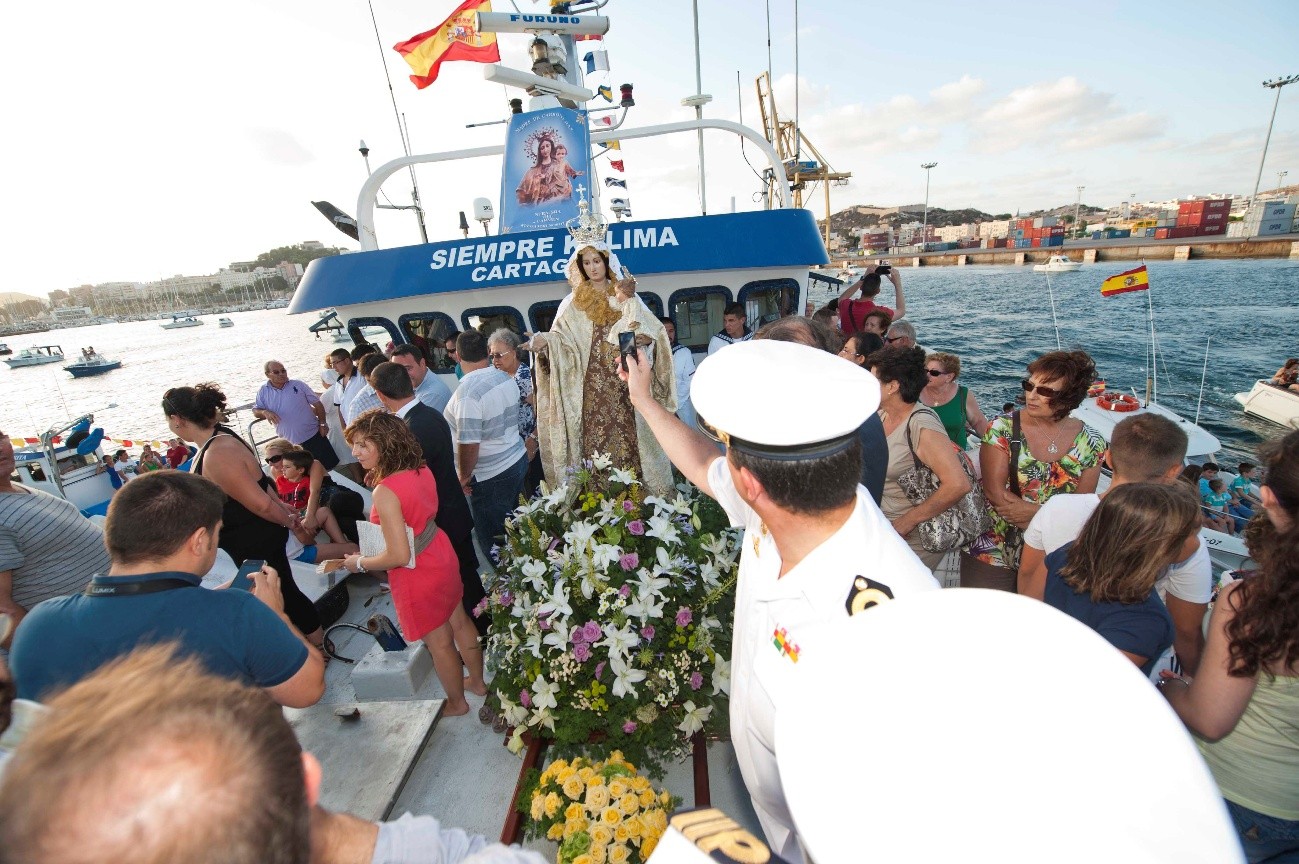
On July 16th , the image of Our Lady of Mount Carmel departs from the various parishes along the coast in a pilgrimage to the Mar Menor, where the Solemn Maritime Procession begins.
During the Maritime Procession, an offering of carnations is made in memory of deceased seafarers, followed by a minute of silence.
After the procession, an open-air Mass is celebrated, after which the image of Our Lady of Mount Carmel is carried in procession back to the church.
Saint James the Apostle
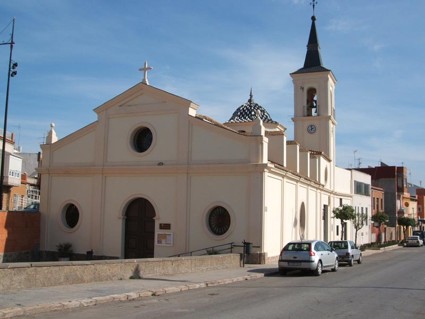
The patron saint festivities of the Santa Lucía neighborhood in honor of Santiago Apóstol take place on July 25 , the name day of the Patron Saint of Spain, and the days prior to this date.The entry of the Apostle James into Spain is commemorated, which tradition assures was done through Cartagena, specifically through the fishing port of Santa Lucía, and there are almost two weeks in which the Eucharists, the contests, the gastronomic tastings and the popular dances fill the summer of the neighborhood with joy and rejoicing.On St. James' Day, a grand maritime procession takes place in which St. James, enthroned, is carried by boat around the port of Cartagena. This tradition dates back to 1918 and was an initiative of the parish priest, Pedro Gambín.
Perín Donkey Ascent
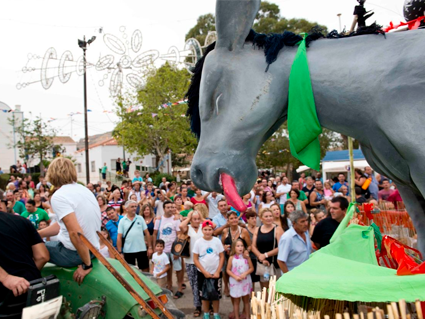
The Perín Festival (Cartagena) is celebrated every year between the end of July and the middle of August, in honor of the Virgin of Piety; for several weeks it offers a wide program of activities for all audiences, with music, gastronomy, sport, tradition and religious events.Among all the celebrations, the highlight is the traditional "Donkey Ascent" to the church bell tower. This event recreates a legend dating back 250 years, when the villagers hoisted a donkey to the bell tower to eat a weed, as no one else was willing to climb up and pull it up. Now, years later, the villagers commemorate these events with the image of a donkey, not a real animal. This day brings together locals and visitors for the traditional parade of floats through the streets of Perín, accompanied by sangria, sandwiches, sweets, and toys for everyone, a spectacular fireworks display, and a lively evening street party, making it the most popular and representative moment of the festivities.
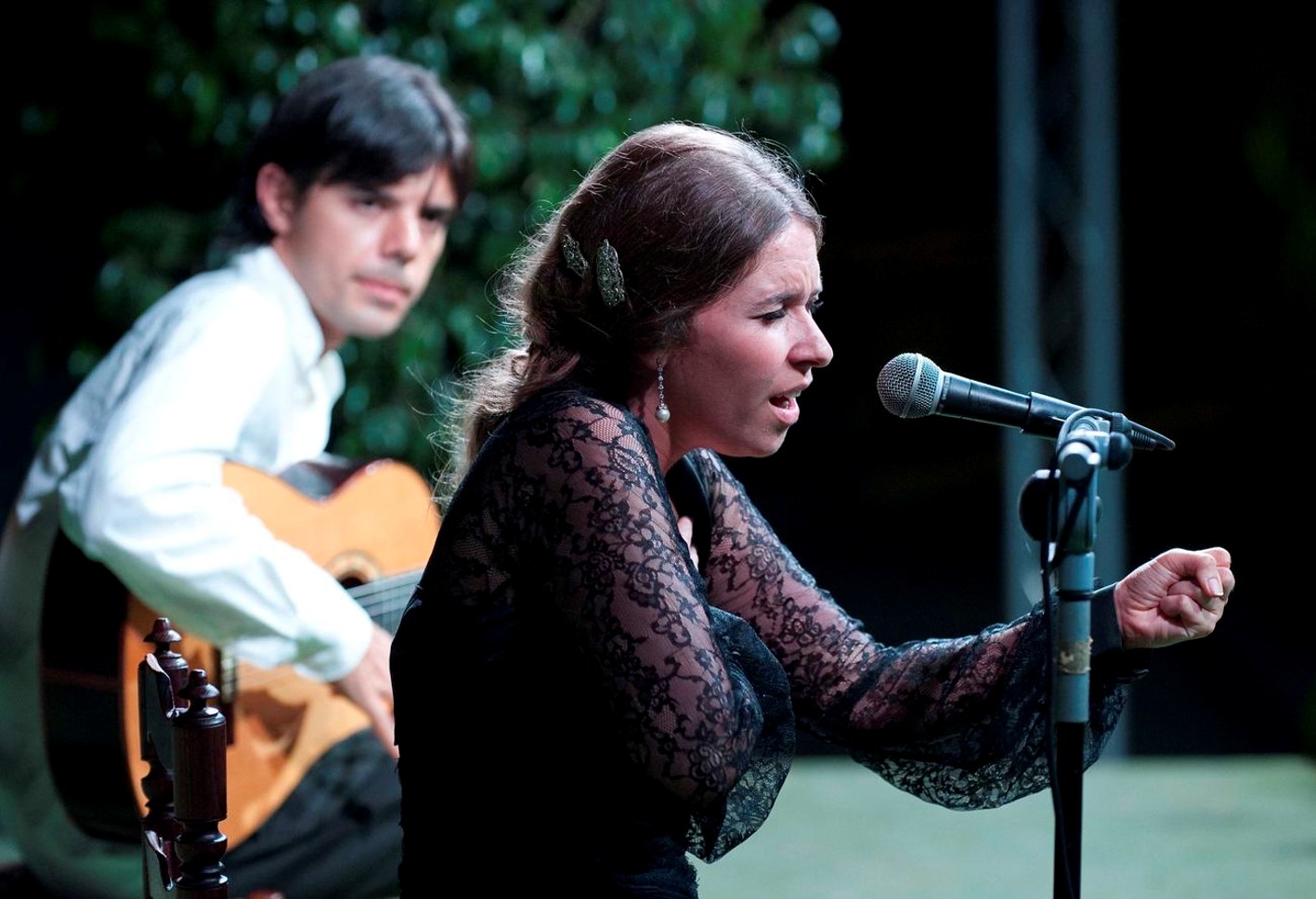
Spanish Song of Molino Derribao
Held in the second half of August , the festival aims to promote this musical style and discover new talent from all over Spain. Each edition pays tribute to established artists.
The Molino Derribao de Santa Ana is known for its annual Spanish Song Festival, famous for its traditional folk singing evenings featuring rural poets from neighboring provinces and even abroad.
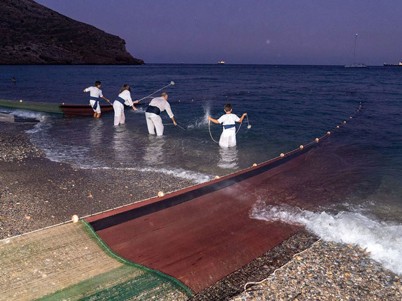
The Art of Seine in El Portús
El Portús had a strong maritime tradition based on fishing with seine nets, a technique that used a large net launched from a boat and then dragged along the shore by fishermen. This practice allowed for the capture of large quantities of fish, but it was banned because dragging the net damaged and depleted the seabed.
To preserve the memory of this ancient activity, the residents of El Portús have celebrated the "Portusium Jábega" festival for the past 15 years . Every August, they recreate this fishing method dressed in traditional sailor costumes and, at the end, release the fish they caught back into the sea. The celebration concludes with a tasting of caldero, one of the most representative dishes of the local cuisine.
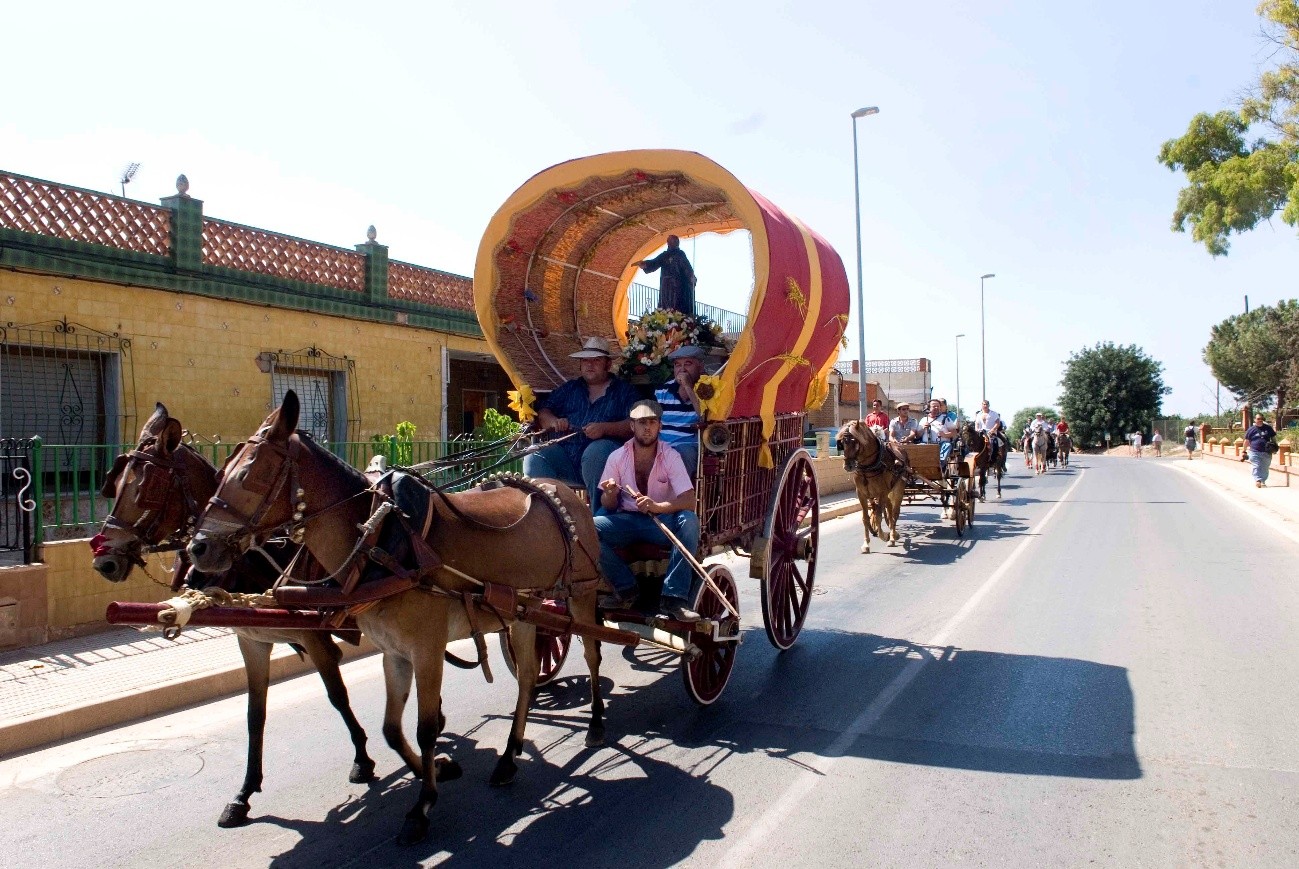
Pilgrimage of San Ginés de La Jara
The feast of San Ginés de la Jara, patron saint of Cartagena, is celebrated on August 25th and on this occasion, the pilgrimage organized by the Brotherhood of Pilgrims of San Ginés de la Jara takes place on the weekend closest to this day .After the religious celebration, hundreds of faithful, on foot and on horseback, set off with the pilgrimage, stopping along the way in the villages that make up the route until they reach the Hermitage of San Ginés.
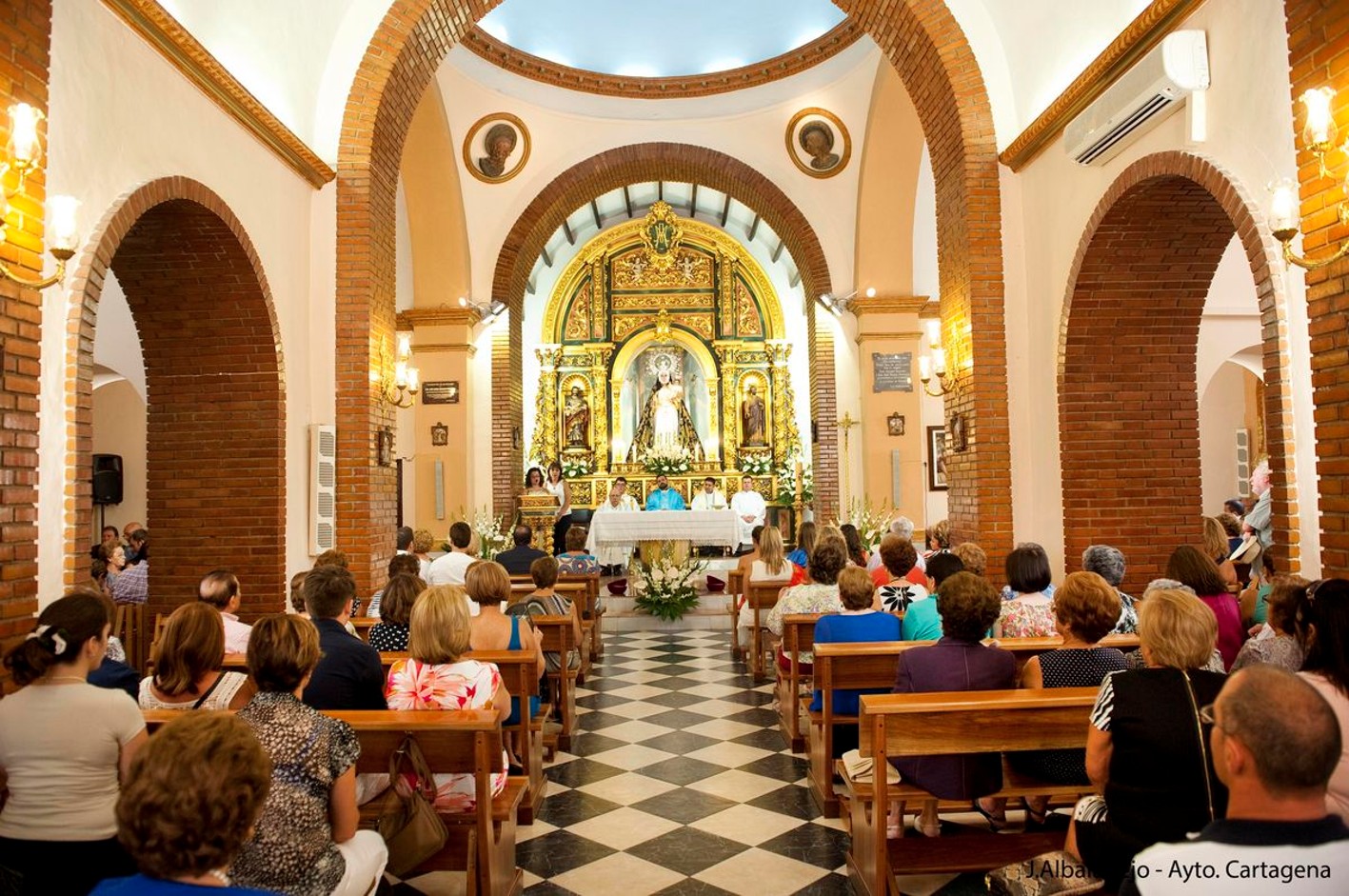
Pilgrimage to the Virgin of Los Llanos
It is celebrated in honor of the Virgin of Los Llanos , patron saint of the town, during the first half of September.
The various events commemorating the pirate raids suffered by the inhabitants of the Albufera lagoon in the 16th and 17th centuries take place in the old town of El Algar , which is transformed into a medieval enclosure with balconies decorated with banners and flags. Numerous stalls sell handcrafted goods, and a variety of characters give demonstrations of archery and ribbon racing.
For a few days, the town center of El Algar becomes the interior of a medieval castle, where the town's children have the opportunity to rediscover traditional games. These festivities culminate with a reenactment of a pirate invasion on the beach.
Pilgrimage of the Holy Physicians
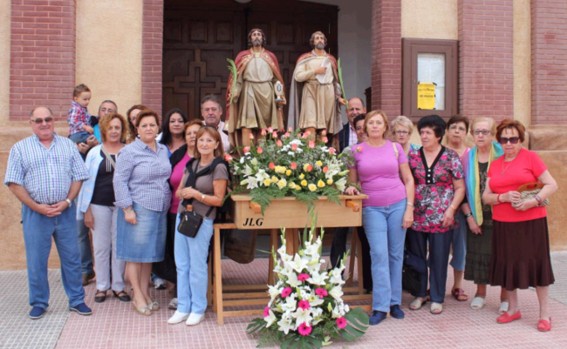
The pilgrimage takes place on September 26th , from the La Palma town hall to the Los Vidales hermitage , in honor of Saints Cosmas and Damian. The pilgrimage culminates at midday with a traditional paella competition.
Celebrated in honor of Saints Cosmas and Damian, these traditional festivities were revived by the residents of La Palma in 1990, with the addition of the pilgrimage that begins at Plaza Manuel Zamora and ends at the church, where a meal is shared by all the residents.